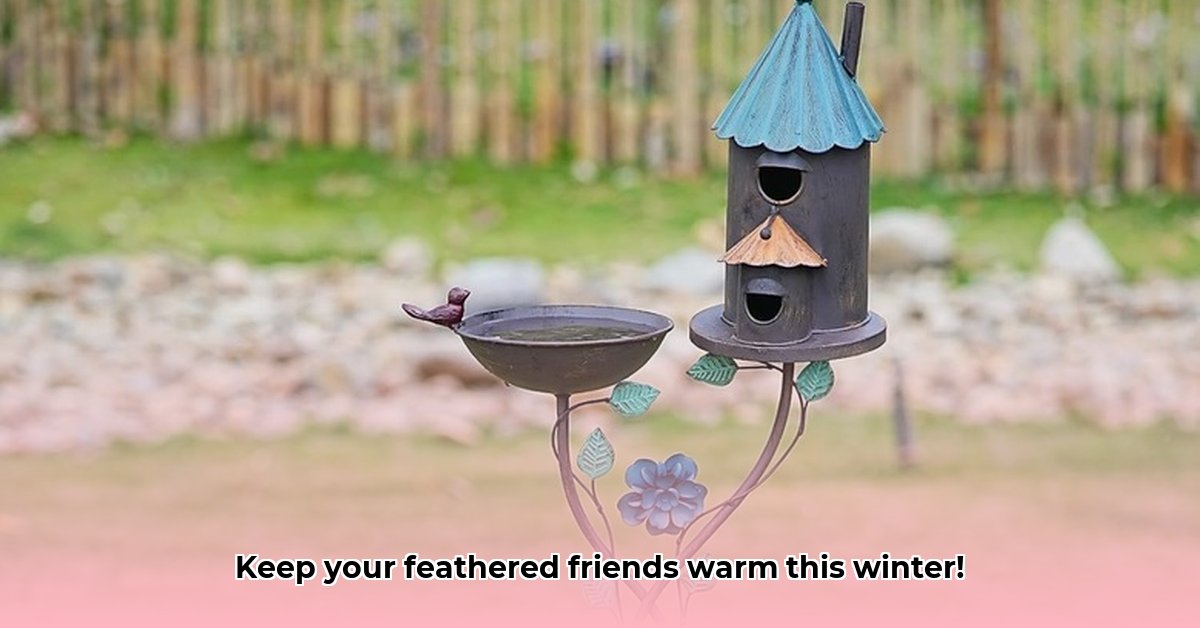
Winter's cold can be deadly for birds; finding open water is a constant struggle. A heated bird bath from Tractor Supply offers a lifeline, transforming your backyard into a winter haven for feathered friends. This guide covers choosing the right bath, installing a heater, proper placement, and essential maintenance, ensuring your avian visitors stay warm and hydrated all season long. Learn more about Tractor Supply's heated bird baths here.
Choosing the Perfect Bird Bath: A Winter Sanctuary
Selecting the ideal bird bath is crucial. Ceramic baths are popular due to their durability and aesthetic appeal. However, even ceramic can crack under extreme cold, so choose a sturdy model. Size matters; larger baths accommodate more birds but require more frequent cleaning. A shallower bath is safer for smaller birds and easier to clean. Consider the style – simple dishes or more elaborate designs are available. Ultimately, choose a bath that's both aesthetically pleasing and suitable for your space. Did you know that a shallow dish is safest for smaller birds? (Source: [1])
Installing Your Tractor Supply Bird Bath Heater: A Step-by-Step Guide
Tractor Supply offers various heaters: submersible (underwater), floating (on the surface), and clamp-on (attached to the side). Follow these steps, adapting them to your specific heater model:
- Preparation: Thoroughly clean the bird bath with mild dish soap and a brush, rinsing thoroughly to remove all soap residue. Birds are sensitive to chemicals! This ensures a clean, healthy start.
- Heater Installation: Submersible heaters are placed underwater; ensure they're fully submerged and stable. Floating heaters rest on the surface, while clamp-on heaters attach to the bird bath's edge. Always follow the manufacturer's instructions.
- Power Connection: Use a weatherproof outdoor extension cord – safety is paramount. Route the cord away from any potential hazards. Never leave a heated bird bath unattended.
- Temperature Check: After powering the heater, check the water temperature. It should be comfortably warm, not hot, to prevent burns.
Finding the Perfect Spot: Maximizing Bird Bath Effectiveness
Placement is critical. Consider these points:
- Sunlight: A sunny location helps prevent freezing, but avoid intense afternoon sun to reduce evaporation.
- Shelter: Situate the bath near shrubs or trees for protection from wind and predators.
- Accessibility: Ensure easy access for birds without obstacles, considering the bath's height.
- Cleaning: Choose a spot that's easily accessible for regular cleaning. A strategic location saves you time and effort!
Maintaining Your Bird Bath Oasis: A Cleaning Routine for Healthy Birds
Regular cleaning is essential to prevent disease. Follow this schedule:
- Weekly Deep Clean: Once a week, empty, scrub with mild soap, and rinse thoroughly. Avoid harsh chemicals!
- Fresh Water: Refill with fresh, clean water whenever necessary preferably untreated water.
Troubleshooting: Addressing Common Challenges
Even with a heater, freezing can occur. Here's how to address potential issues:
- Insulation: Add insulation (Styrofoam, towels) around the base to retain heat.
- Relocation: If the area is excessively windy, move the bath to a more sheltered spot.
- Heater Check: Ensure the heater is functioning correctly; replace if necessary. Don't underestimate the power of a functioning heater!
Weighing the Pros and Cons: Is a Heated Bird Bath Right for You?
Consider these factors to decide if a heated bird bath is a worthwhile addition to your backyard:
| Pros | Cons |
|---|---|
| Reliable water source in winter | Requires electricity and a weatherproof extension cord |
| Enhances bird health and well-being | Requires regular cleaning to minimize bacteria and algae growth |
| Relatively inexpensive purchase | Potential for malfunction, needing heater replacement |
| Encourages year-round bird visitation | May not entirely prevent freezing in extreme conditions |
Ultimately, providing a heated bird bath demonstrates your commitment to helping birds thrive during winter's harsh conditions.